How to Import Goods from China to the USA: A Complete Step-by-Step Guide
For the most up-to-date and in-depth coverage, see our expanded importing from China to USA guide.
Wondering how to import goods from China to the USA? This step-by-step guide covers benefits, import procedures and common pitfalls for new sellers and wholesalers.
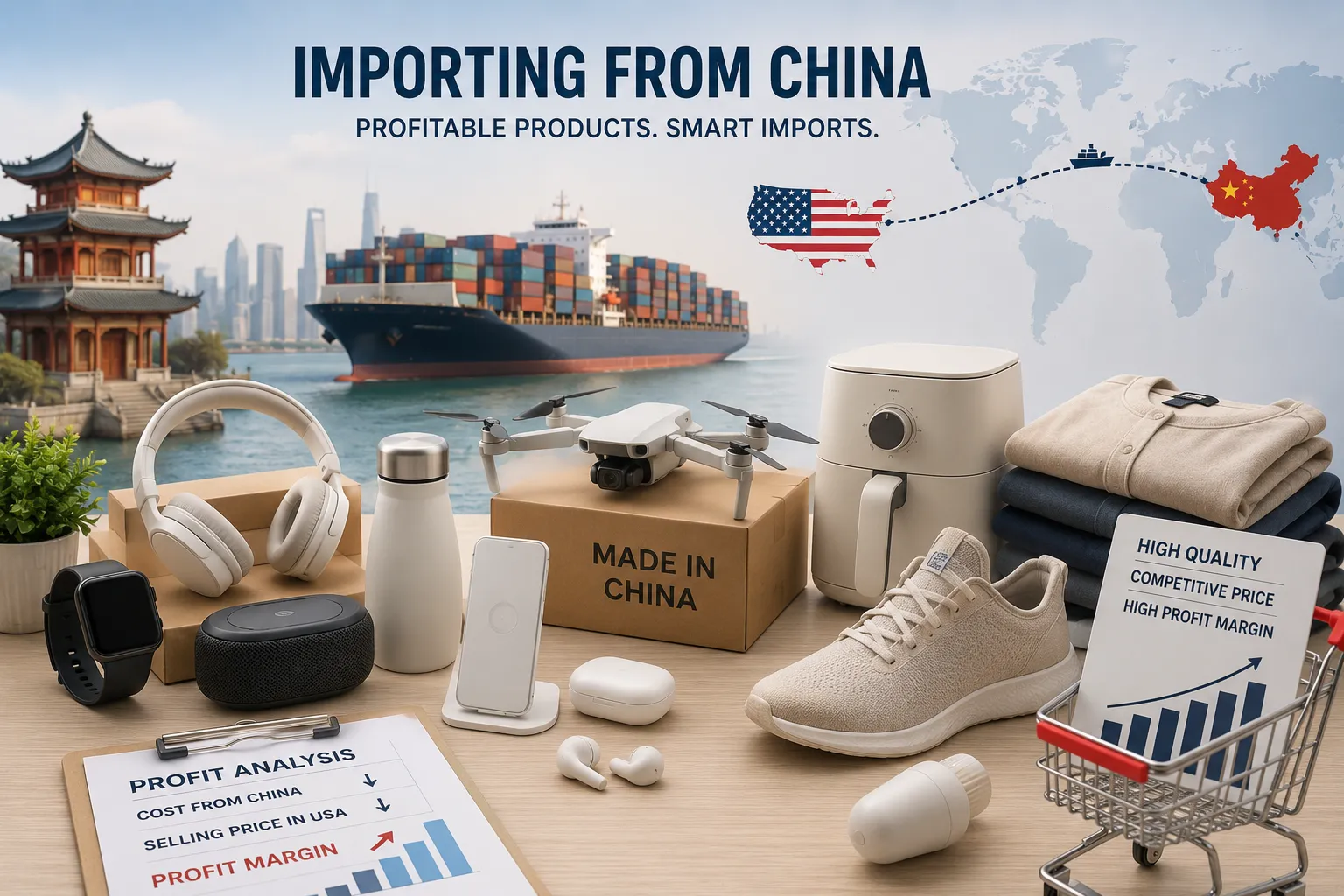
Nowadays, more American businesses and independent sellers opt to import goods from China. With cost-effective manufacturing and mature supply chains, importing from China to USA is a lucrative way to grow retail and e-commerce businesses.
Why Import Goods from China?
Importing goods from China has become one of the most widely used strategies for global businesses, especially for Amazon sellers, Shopify store owners, and wholesale importers. The main reason behind this trend is that China offers a powerful combination of cost efficiency, mature supply chains, and an extremely broad range of product categories that are difficult to replicate in other manufacturing regions.
Cost Advantage in Manufacturing
One of the primary reasons businesses choose to import goods from China is the significant cost advantage in manufacturing. Chinese factories are usually the preferred option when buyers need to produce at scale and keep unit cost low, especially for consumer goods with high price competition. Labor and operating costs are also lower compared with many Western countries, which helps reduce the unit cost of products. This allows international buyers to purchase products at highly competitive prices, which directly improves profit margins and makes it easier for businesses to stay competitive in global markets where pricing pressure is high.
Well-Developed Supply Chain System
Another major advantage lies in China’s highly developed and integrated supply chain system. In major manufacturing hubs in China, suppliers, raw material providers, packaging factories, and logistics companies are often located in the same industrial areas. This makes communication faster and helps reduce production and shipping delays for overseas buyers. This level of integration significantly improves efficiency across the entire production and export process, reducing lead times and minimizing communication barriers. As a result, importing goods from China is not only cost-effective but also relatively stable and predictable for international buyers who require consistent supply performance.
Wide Range of Product Categories
China is also known for offering an exceptionally wide range of product categories, making it one of the most flexible sourcing destinations in the world. Whether businesses are looking for consumer electronics, home and kitchen products, fashion accessories, promotional items, or even specialized industrial components, they can usually find multiple suppliers capable of meeting different quality and pricing requirements. This diversity allows importers to test new product ideas more easily and adapt quickly to changing market demands without being restricted by limited sourcing options.
How to Import from China
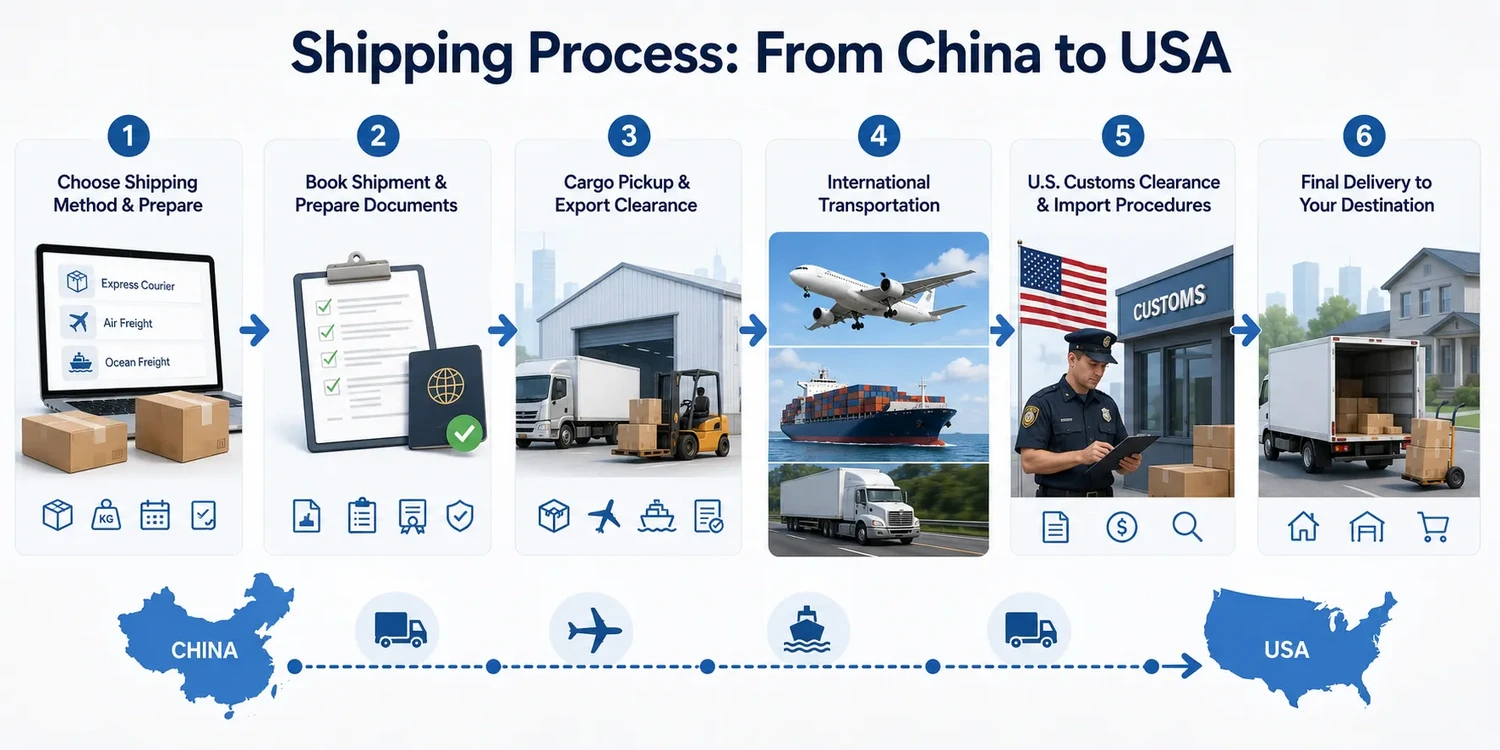
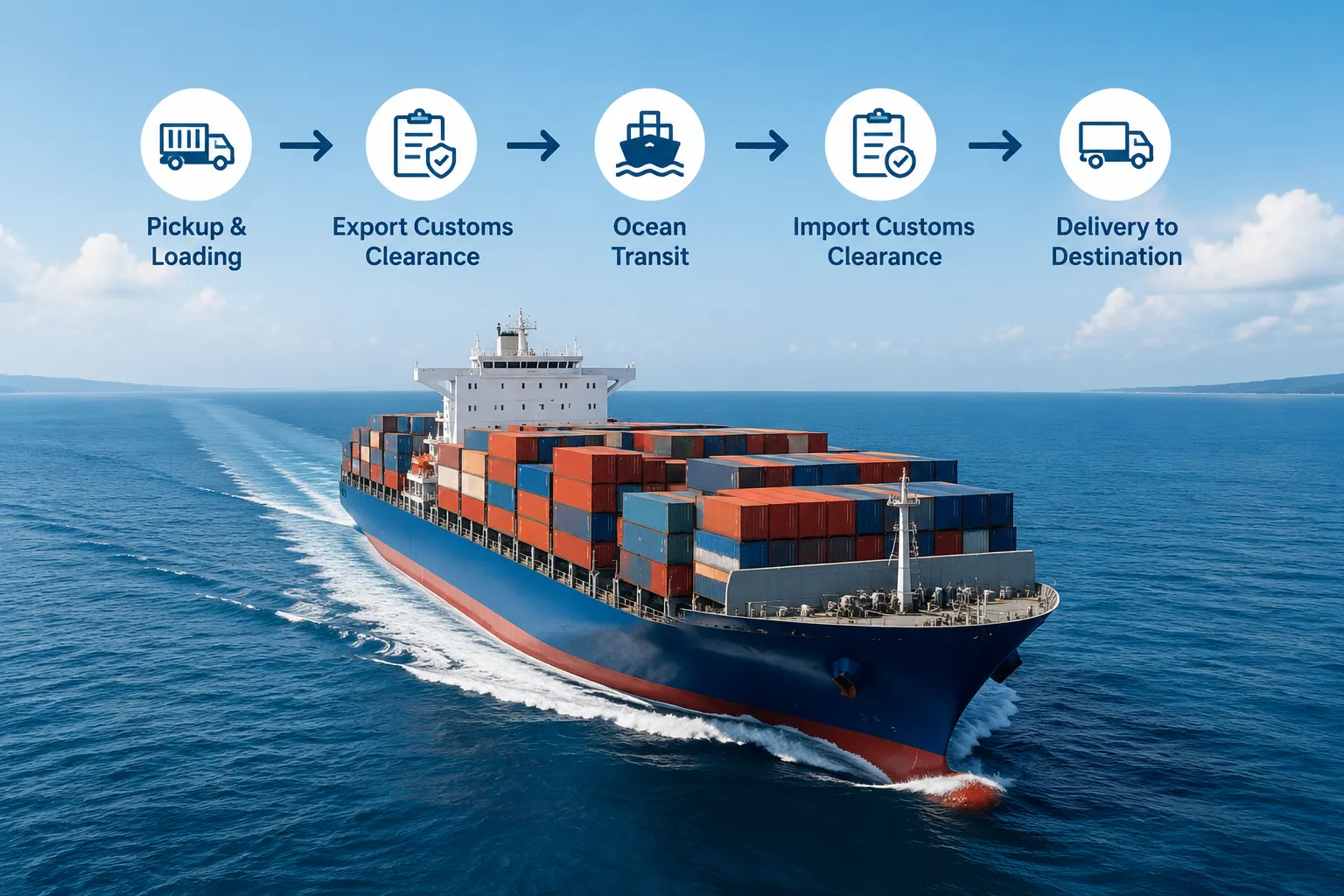
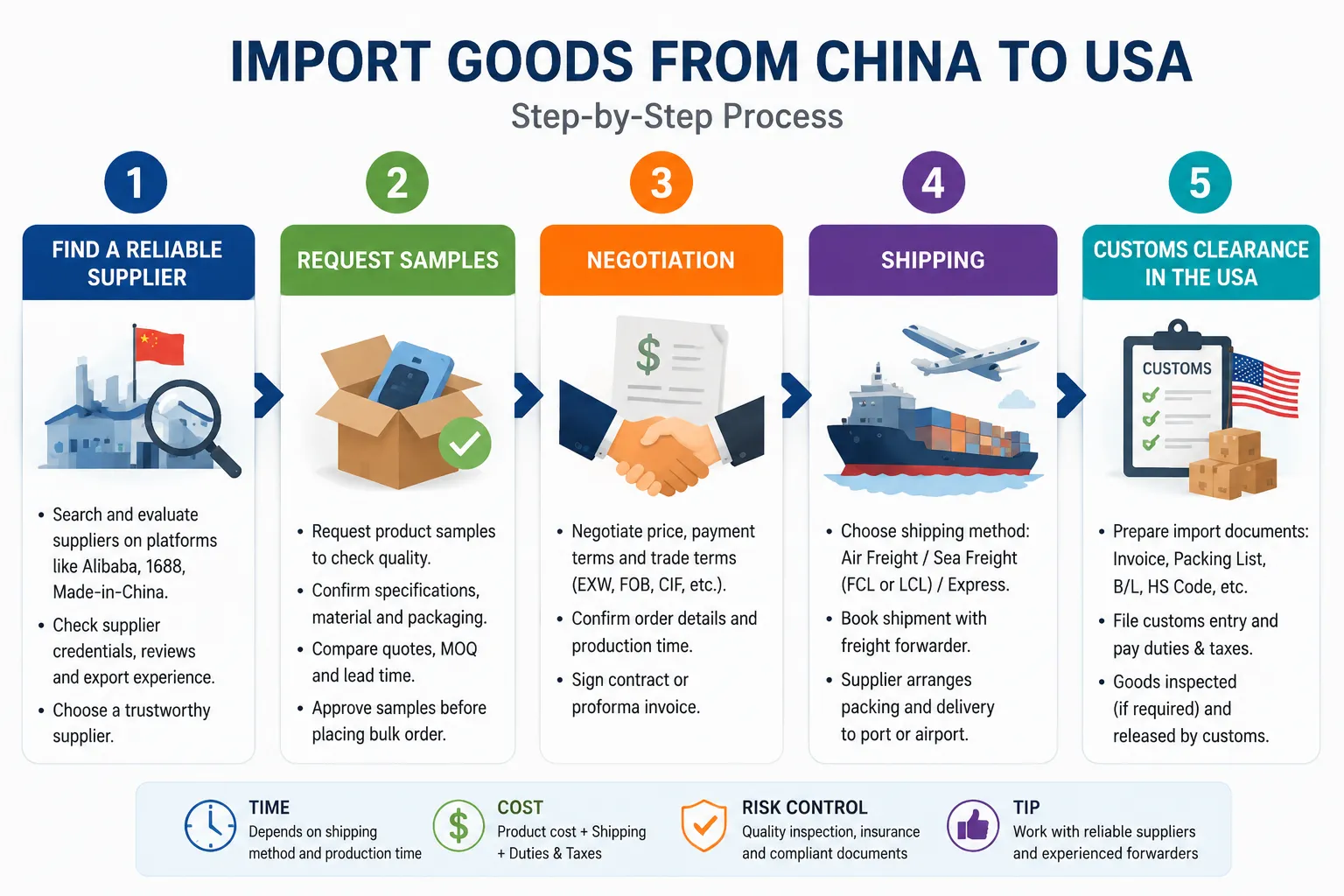
Importing from China to USA involves a structured process that includes supplier selection, price negotiation, shipping arrangements, and customs clearance. Each step plays an important role in ensuring cost efficiency, product quality, and smooth delivery. The following sections will break down the entire process step by step to help beginners understand how to import from China to the USA effectively.
Step 1 – Find Reliable Suppliers in China
The first step in importing goods from China is to identify reliable suppliers through platforms such as Alibaba, 1688, or Made-in-China. When selecting a supplier, it is important to evaluate their business credentials, transaction history, product consistency, and communication responsiveness. A trustworthy supplier should be able to provide clear product information, stable quality, and verifiable export experience, especially for international buyers who are importing for the first time.
Step 2 – Request Quotes and Samples
After shortlisting potential suppliers, the next step is to request quotations and product samples. This allows buyers to compare pricing, confirm minimum order quantities (MOQ), and evaluate product quality before committing to bulk orders. Sample testing is a critical process, as it helps reduce risks and ensures that the final product meets market expectations.
Step 3 – Negotiate Price and Terms
Once product quality is confirmed, buyers typically negotiate pricing and trade terms such as EXW, FOB, or CIF. Understanding these Incoterms is essential because they define responsibility for shipping costs, risk transfer, and logistics arrangements between the buyer and supplier, directly affecting the total landed cost.
Step 4 – Choose Shipping Method
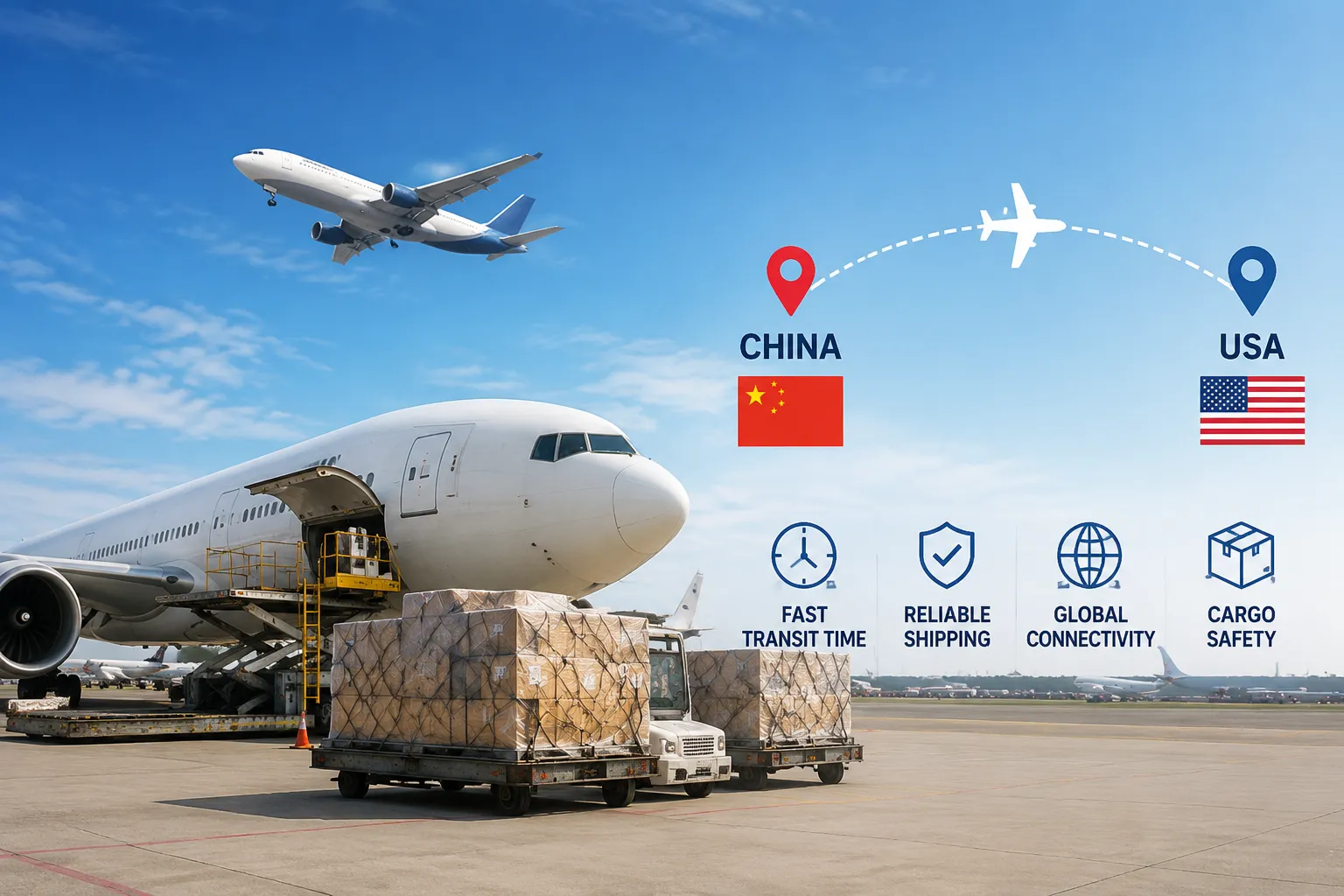
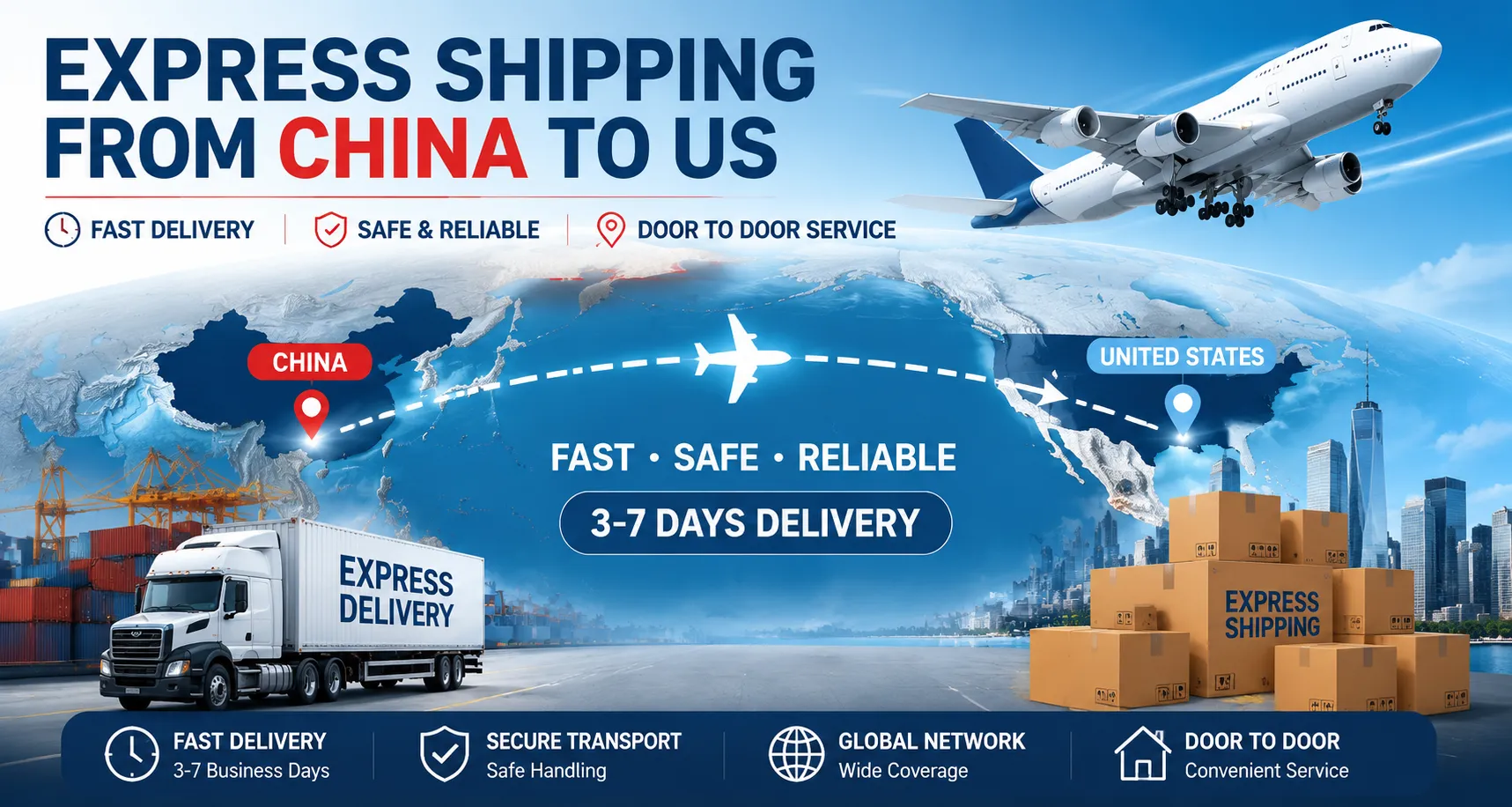
Shipping method selection depends on budget, urgency, and cargo size. Air freight is usually chosen when delivery speed is more important than cost, especially for shipments that must arrive within 3–7 days or for high-value products where faster turnover reduces business risk. Sea freight is the preferred option when shipment volume is large and delivery time is flexible, especially for orders where reducing per-unit shipping cost is more important than speed, while express services like DHL or FedEx are commonly used for small parcels or samples. This step is crucial when planning importing from China to USA. Here are the shipping time from China to USA for your reference.
| Shipping Method | Transit Time | Cost Level | Best For |
|---|---|---|---|
| Air Freight | 3–7 days | High | Urgent / high-value goods |
| Sea Freight (FCL) | 10–23 days | Low | Bulk shipments |
| Sea Freight (LCL) | 12–25 days | Medium | Small-medium cargo |
| Express (DHL/FedEx) | 3–5 days | Very High | Samples / small parcels |
Step 5 – Customs Clearance in the USA
The final step is customs clearance, which involves assigning the correct HS code, calculating duties and taxes, and working with a customs broker if needed. Accurate documents such as invoices, packing lists, and HS codes are required for customs clearance. Any mistake in classification or declared value can lead to delays or additional inspections at customs. Understanding import regulations in the USA is essential for avoiding unexpected costs or compliance issues.
Common Pitfalls When Importing from China to USA (And How to Avoid Them)
Importing goods from China to USA offers great profit potential, but many new importers encounter avoidable risks that hurt margins and delay operations. Understanding these common pitfalls is essential for anyone learning how to import from China smoothly and compliantly.
Hidden Costs That Can Eat Into Your Profits
Most beginners only focus on product price and shipping costs when importing from China to USA, but there are often additional fees that reduce profit margins. Common extra expenses include U.S. customs processing fees, harbor maintenance fees, additional Section 301 tariffs, and port storage charges. Besides, bank currency conversion fees and third-party inspection or brokerage service fees also add up unexpectedly.
How to avoid: Calculate full landed costs before placing orders. Cooperate with reliable forwarders to get all-inclusive quotes and check updated tariff rules via official U.S. customs databases to avoid budget overruns.
Quality Control Issues: How to Minimize Risk
Quality inconsistency is a top issue when you import goods from China. Some factories cut material or workmanship costs for higher profits, resulting in defective products. Even approved samples cannot guarantee consistent bulk order quality. Meanwhile, unqualified packaging and incorrect U.S. standard labels may lead to customs rejection.
How to avoid: Confirm clear quality specifications with suppliers in advance. Conduct pre-production sample confirmation and arrange third-party pre-shipment inspections. Add quality penalty clauses in contracts to restrain factory irregularities.
Shipping Delays and Customs Hold Scenarios
Shipping delays usually occur due to three main factors:
- Production delays
Factory production backlogs during peak seasons can extend manufacturing lead times. - Port congestion
High shipping demand at major ports such as Shenzhen or Los Angeles may slow down cargo movement. - Documentation issues
Missing or incorrect documents (such as invoices or HS codes) can trigger customs inspections and delay clearance.
How to avoid: Reserve 2-4 weeks of buffer time for all orders. Double-check all clearance documents including invoices and certification. Work with experienced agents to ensure compliant and fast customs clearance.
Intellectual Property and Trademark Risks
IP infringement is a high-risk problem when the US importing from China. Unprotected custom designs may be copied by factories and sold to competitors. Unintentional import of patent or trademark-infringing products will lead to goods seizure and legal penalties in the US.
How to avoid: Register your trademarks and patents in the US and China. Sign NDAs with cooperative factories and verify product IP compliance before mass production.
Conclusion
Importing goods from China to the USA brings remarkable business advantages with affordable costs and rich product choices. Follow standard procedures, stay alert to potential risks, and take preventive measures. You will build a stable, profitable import business successfully. ContainerFromChina is an experienced freight forwarder. We deliver reliable, cost-effective freight services from China to the USA to support your import business.
FAQ
How long does it take to import goods from China to the USA?
The shipping time depends on the method you choose. Air freight usually takes around 3–7 days, while express courier services like DHL or FedEx take about 3–5 days. Sea freight is slower and typically takes 10–25 days depending on whether you use FCL or LCL shipping.
Do I need a customs broker to import goods into the USA?
Yes, in most cases it is highly recommended to use a customs broker. A broker helps you handle customs clearance, classify HS codes correctly, calculate duties, and ensure compliance with U.S. import regulations, which reduces the risk of delays or penalties.
Is Alibaba safe for sourcing suppliers?
Yes, but only if you verify suppliers carefully, request samples, and avoid unrealistic pricing.
How are import duties and taxes calculated in the USA?
Import duties are calculated based on the product’s HS code, declared value, and country of origin. Some products may also be subject to additional tariffs, such as Section 301 tariffs on certain Chinese goods. The total cost varies depending on product category and current U.S. trade regulations.